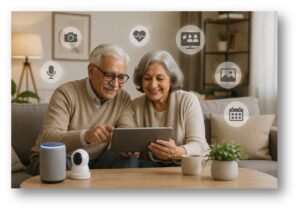
Artificial Intelligence (AI) is no longer a distant concept, it is quietly becoming part of everyday life, including for older adults. From a small robot on the kitchen table that says good morning and means it, to a wearable that watches over your heart while you sleep, AI is being designed to support independence, safety, and connection in practical, easy-to-use ways.
AI is making a meaningful difference for patients with dementia and Alzheimer’s.It analyses brain scans, genetics, and medical records to detect warning signs earlier for its diagnosis and prognosis, giving families more time to prepare.A 2024 Seoul, South Korea study of 80 people with dementia found that AI care calls twice a week improved memory, attention, and mood through warm conversation. For those living with dementia, digital tools and cognitive training can help stabilize symptoms, throughdaily gentle brain exercise.
AI is now quietly improving how we understand sleep. Poor sleep patterns like waking at night or trouble falling asleep, are closely linked to heart disease, diabetes, and memory decline. Wearable devices monitor sleep patterns without a clinic visit, but AI doesn’t just track, it also helps afterward. It can suggest small, personalized changes, alert a doctor to concerning signs, and learn what improves your rest over time. Devices like the Gabit fitness tracking ring also track stress, revealing how daily tension affects your rest. Researches atStanfordMedicine developed an AI tool, called SleepFM,thatanalyses brain signals, heart rhythms, breathing, to spot early signs of over 130 health conditions, helping guide you and your care team to the right next step.
As AI becomes more present in daily life, it works best when used thoughtfully and with awareness of both its opportunities and its limits.
The Way Forward
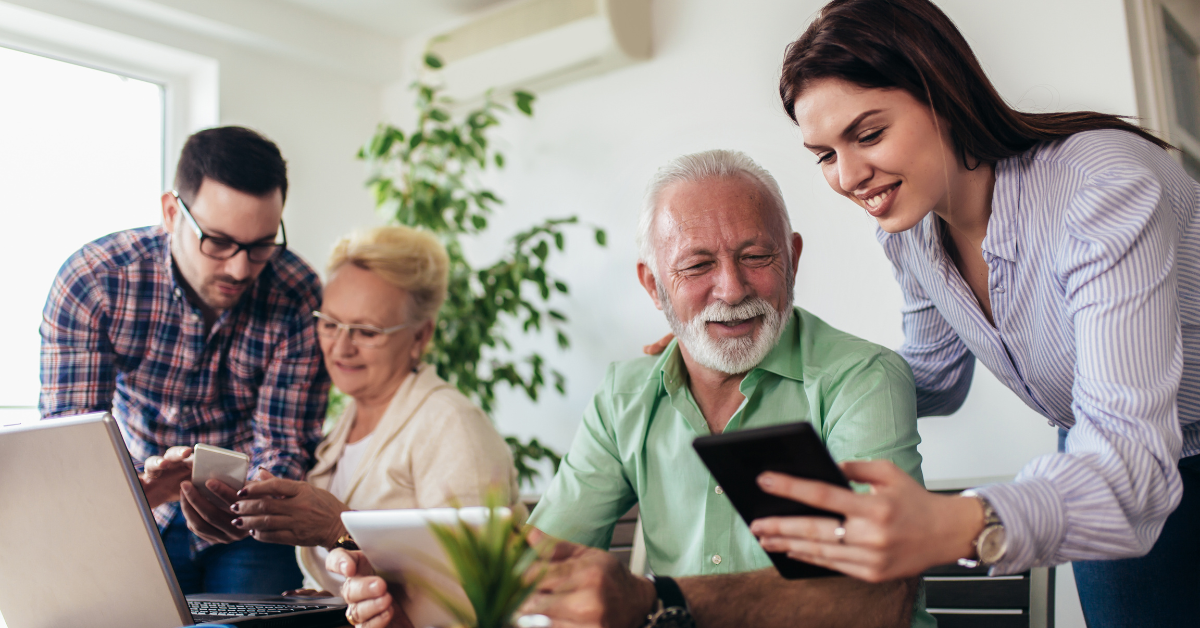
AI acts as a supportive tool simplifying chores, providing helpful alerts, strengthening connections with loved ones, and even supporting health monitoring. With the right understanding, it can build confidence and independence among older adults. But like any tool, it works best when used thoughtfully and with awareness of both its opportunities and its limits.