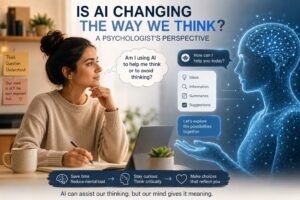

Artificial Intelligence (AI) allows computers to think, learn, make decisions, etc., in ways similar to humans. Unlike regular computers that follow fixed instructions, AI looks at large amounts of information, finds real-life patterns, and uses them to make decisions on its own. AI uses something called algorithms, which are step-by-step instructions to process information and make decisions based on patterns from real-life situations.
AI is not the same as human intelligence. Humans think with emotions, values, and personal experiences, and understand meaning and feelings. AI, on the other hand, uses patterns in data to give answers. It collects information from different places and presents it in a simple, structured way when given the right prompt.
AI is increasingly used to enhance the lives of older adults who may experience age-related physical and cognitive decline that affects daily functioning. AI-driven medical devices support health and safety by providing medication reminders and detecting falls with automatic emergency alerts. Conversational voice assistants like Siri and Alexa help older adults stay connected, make calls, listen to music, and access news and weather easily. AI also offers cognitive support through games and apps that include memory exercises, puzzles, and routines that help keep the mind active, potentially slowing cognitive decline and improving engagement.
Common Myths About AI
- “AI is only for young people” — Actually, many AI tools help older adults with medication reminders, health tracking, and emergency alerts to make daily life easier and safer.
- “AI is too complicated” – Using AI is simple, it often just involves speaking a command, tapping a button, or following basic steps.
- “If I press the wrong button, I might damage the device” – This fear is very common, but most AI tools are designed with safety in mind. Normal use isn’t going to cause damage.
The Way Forward
Learning about AI can help older adults feel more confident, independent, and connected. AI can make daily routines simpler and easier to manage. It is designed to support independence, safety, and comfort, so that small tasks feel less stressful and more effortless.