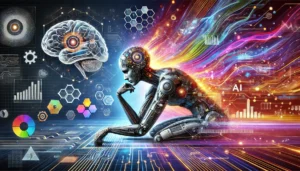
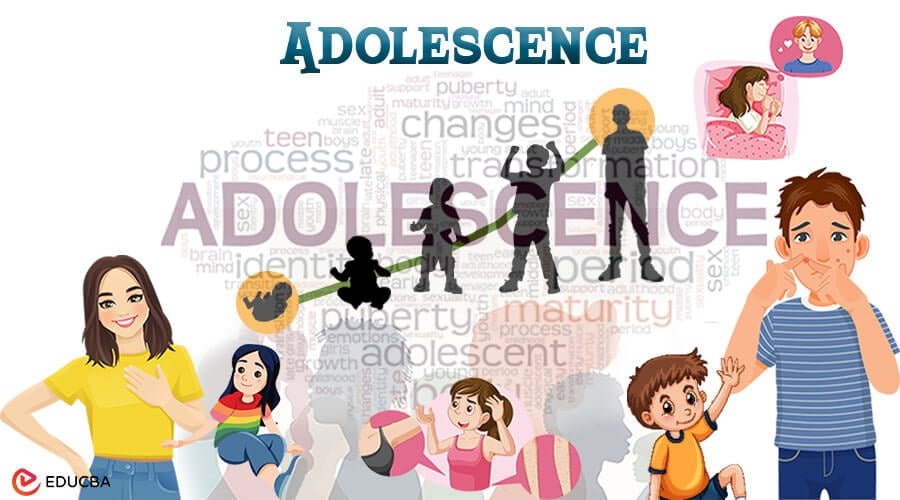
AI and teen identity formation are becoming increasingly connected as adolescents grow up surrounded by technology and algorithms. Adolescence is a stage where young people begin asking powerful questions: Who am I? What do I believe in? Where do I fit in? Today, these questions are being shaped not only by family, school, and peers but also by something much more invisible: AI-driven algorithms. From Instagram’s “For You” page to YouTube recommendations, artificial intelligence quietly curates what teens see, think about, and sometimes even who they aspire to become.
AI does this through personalised content loops, which show adolescents posts aligned with their interests, insecurities, or emotional states. For example, a teen who interacts with fitness videos may quickly get flooded with content promoting unrealistic beauty standards. Over time, this subtly shapes their self-concept and body image, making them compare themselves to idealised digital versions of perfection (Fardouly& Vartanian, 2016).
Similarly, AI-driven platforms provide constant opportunities for self-presentationfilters, editing tools, and algorithm-friendly trends encourage adolescents to craft identities that gain the most likes or visibility. This can lead to an identity that feels performed rather than authentic. Research suggests that adolescents who rely heavily on online feedback may develop more fragile self-esteem, as their sense of worth becomes tied to digital validation (Valkenburg et al., 2022).
At the same time, AI isn’t entirely harmful. For many teens, personalised content helps them discover communities, hobbies, and identities they may not find offline. Adolescents exploring gender identity, artistic interests, or niche passions often report feeling more understood and supported through AI-driven online spaces (Craig et al., 2021). When used mindfully, these platforms can expand an adolescent’s worldview, boost confidence, and help them develop a stronger sense of self.
However, the key lies in awareness. Teaching teens how algorithms work can empower them to recognise when content is influencing their thinking, emotions, or self-perception. By building digital literacy, adolescents can reclaim control over their identity narratives instead of letting AI shape them passively.