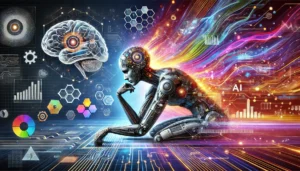
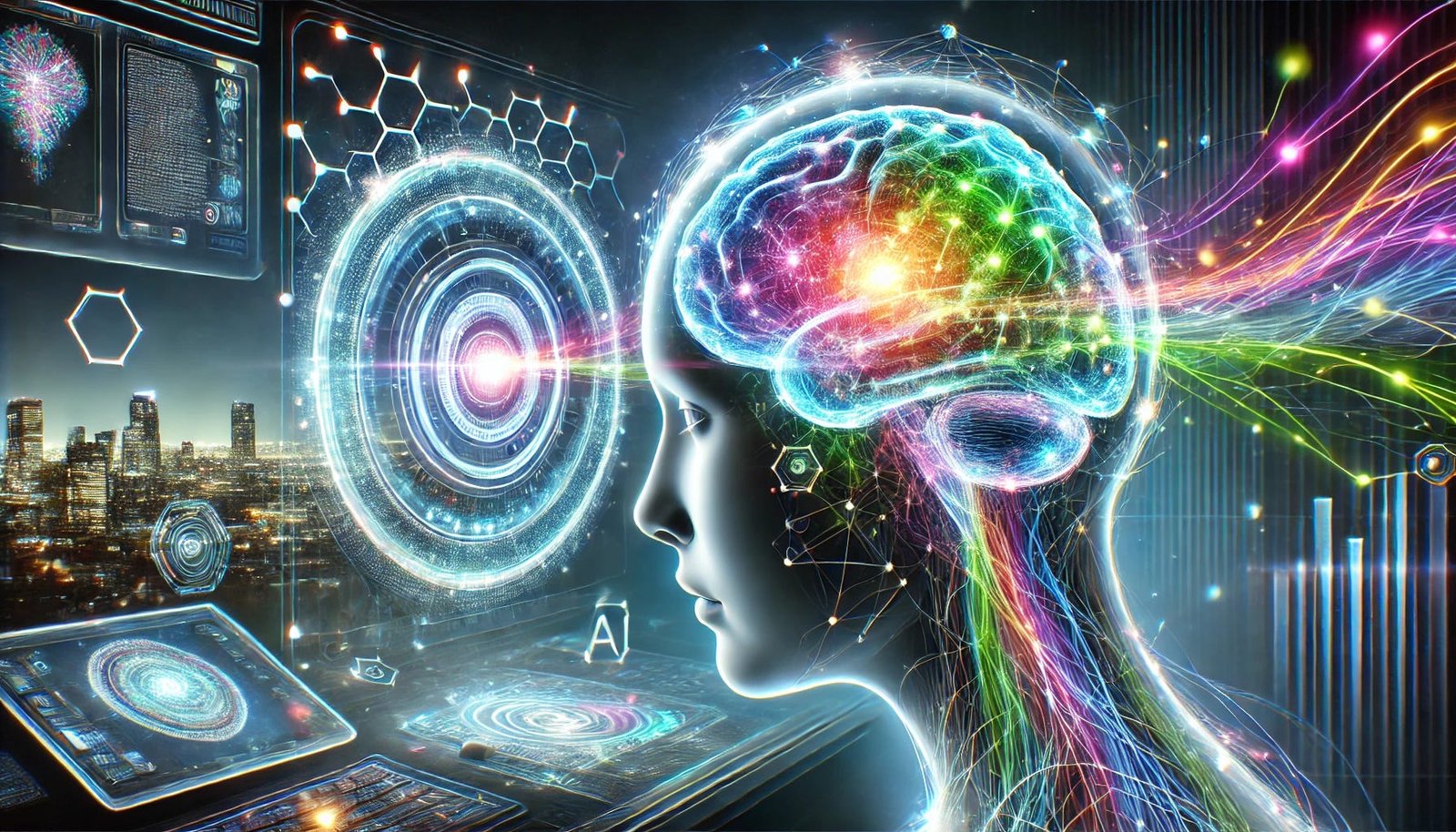
Artificial Intelligence (AI) has become a permanent part of our lives — from the way we learn and work to the way we think, communicate, and problem-solve. But this sudden rise often makes us pause and wonder: What is AI? Where did it come from? How did it integrate into our daily routine so quickly? In addition, most importantly — are we using it mindfully, or are we slowly becoming dependent on it?
Where It All Began
While it feels like a recent innovation, the foundations of AI have existed for decades. John McCarthy officially coined the term artificial intelligence in 1955 during the Dartmouth Conference (McCarthy, Minsky, Rochester, & Shannon, 1955), a milestone that marked the birth of artificial intelligence as a scientific field. Since then, its evolution has been rapid and transformative, now shaping major industries, education, healthcare, and mental health.
How AI Benefits Cognitive Science and Psychology
AI is not just a technological advancement — it has become a powerful scientific tool. In cognitive psychology, AI supports research and clinical practice in multiple meaningful ways:
- Enhanced learning and cognitive efficiency
- Rapid analysis of large datasets to detect cognitive and behavioral patterns
- Prediction of individual differences in cognitive abilities
- AI-based VR (virtual reality) and simulations that allow psychologists to study memory, attention, and decision-making in controlled yet realistic settings
This integration does not replace psychological expertise — it amplifies it, helping researchers and clinicians gain deeper and more precise insights into the human mind (Canadian Psychological Association [CPA], 2021).
A Two-Edged Sword: Benefits & Risks
Psychologist Steven C. Hayes, in Acceptance and Commitment Therapy (ACT), describes the mind as a double-edged sword (Hayes, Strosahl, & Wilson, 2016). AI mirrors this duality. While it brings global innovation, it also presents risks if overused or used without awareness:
- Overdependence on technology
- Decline in skill development due to shortcuts
- Reduced critical thinking — especially in young users
- Uncritical acceptance of information, leading to meta-cognitive errors
The concern is not AI itself, but how we interact with it. Mindful usage becomes essential to protect natural learning, creativity, and human reasoning.
What Research Says
The CPA’s briefing paper on Artificial Intelligence and Psychology highlights the interaction between human and artificial intelligence, emphasizing both:
- The potential of AI in psychological services and research
- The ethical responsibilities associated with privacy, consent, bias, transparency, and the need for professional guidelines (CPA, 2021)
Additionally, Vaida (2023) concludes that:
AI has the potential to revolutionize psychology through new tools for evaluation, diagnosis, and treatment. Remote and digital AI-based interventions can help bridge the gap between demand and availability of mental health services. However, AI also raises critical legal and ethical concerns. While AI can offer insights, it cannot replace the human connection and therapeutic bond that remain central to effective psychological care (Vaida, 2023).
The Way Forward
The future is not a choice between AI vs. human intelligence — it lies in balanced collaboration. AI can elevate learning, research, and mental health practice, but only when anchored in human judgment, ethics, and self-awareness.
The aim should not be to fear AI or surrender to it — but to use it as an intelligent partner in shaping healthier minds and societies.