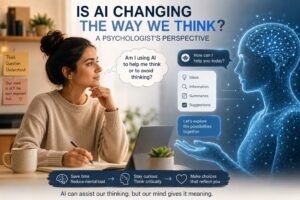
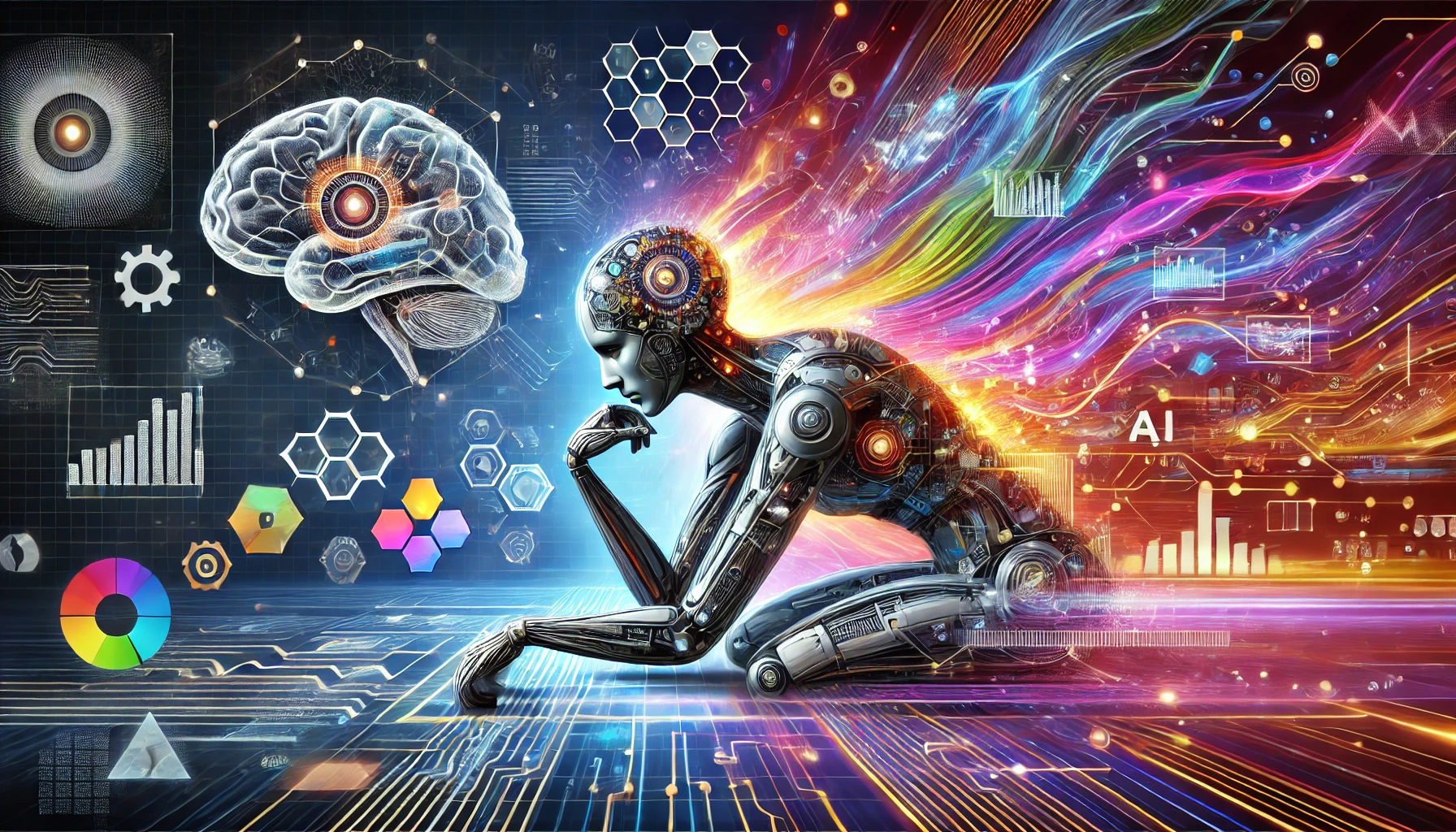
Artificial intelligence (AI) is changing the way we think, learn, and make decisions. From a psychological perspective, AI interacts with many key areas of human cognition, attention, memory, language, reasoning, and problem-solving can support these processes when used thoughtfully.
AI tools help us manage our attention better by reducing distractions and guiding us toward what is most important. Whether it’s a study app or a productivity tool, AI can create a more focused environment, helping people stay organised and productive.
AI also supports our memory by storing information, reminding us of tasks, and giving us quick access to what we need. Although this can lead to dependence or “cognitive offloading” it can also free up mental space for creativity, reflection, and deeper thinking.
In language and learning, AI makes information easier to understand and adapt to. It offers personalized feedback, adjusts to different learning styles, and helps people build skills at their own pacemaking education more inclusive and accessible.
When it comes to reasoning and problem-solving, AI’s ability to analyse patterns and large amounts of data helps us understand complex situations more quickly. This can improve our decision-making in academic, professional, and daily life contexts.
Overall, AI has the potential to enhance human cognition by supporting our strengths and reducing mental load. The most powerful outcomes come when humans and AI work togethercombining our intuition and emotional understanding with AI’s speed and precision. With mindful use, AI can help us think more clearly, learn more effectively, and unlock new possibilities for personal and intellectual growth.