Psychotherapy encompasses a wide range of interventions aimed at assisting individuals in identifying and changing challenging patterns of behaviour, emotions, and ideas. Identifying the most effective therapy depends on an individual’s particular requirements and healthcare history and must be implemented under a trained professional with expertise in psychotherapy.
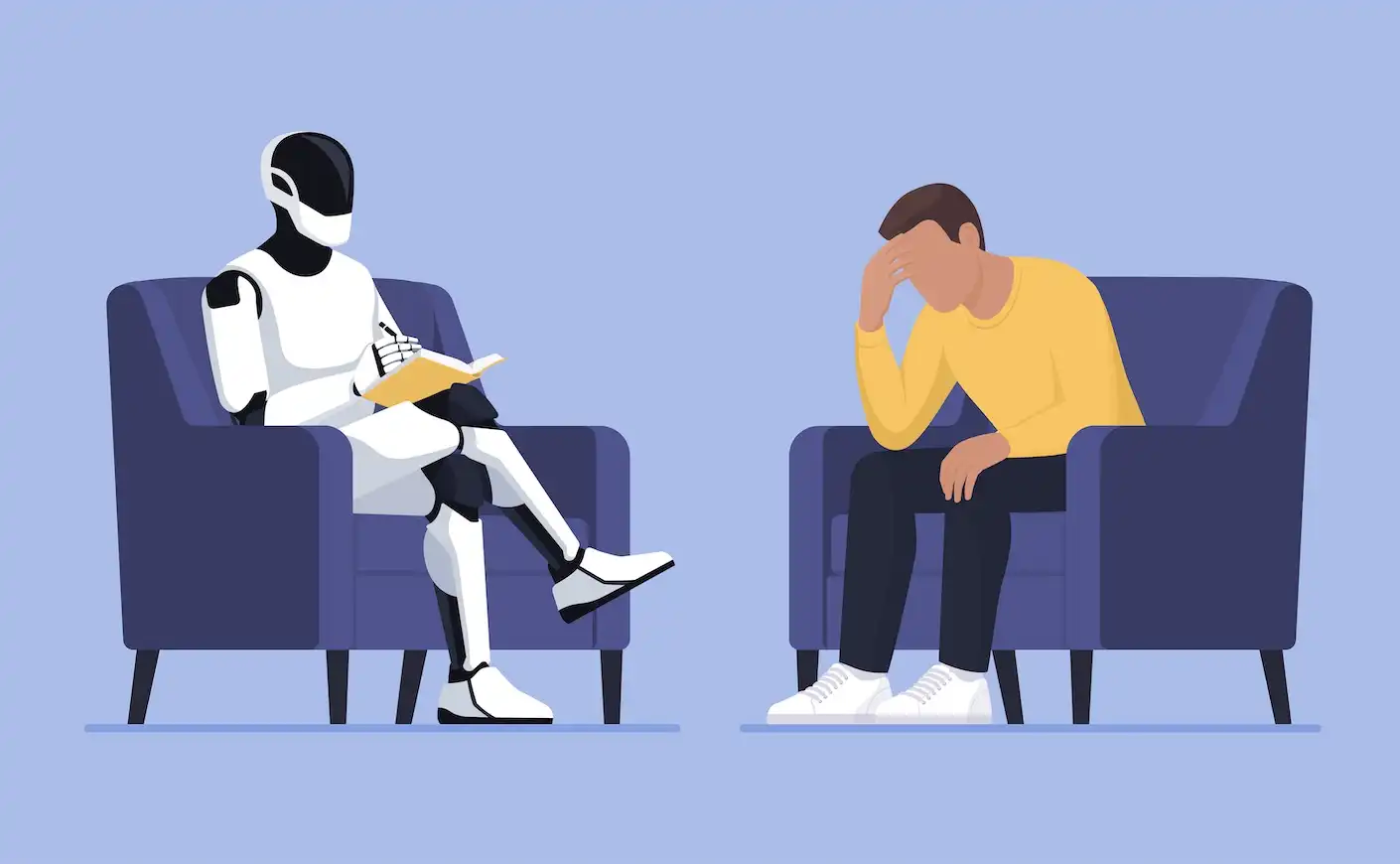
With technological advancements, therapy is now conducted online and offline through various channels. Hence, the integration of Artificial intelligence (AI) in a therapeutic environment provides novel chances to improve mental healthcare through individualized interventions that employ resources that include chat bots and targeted therapeutic approaches. However, areas of concerns are its
- Effectiveness,
- Ethical implications and
- Operational challenges.
Recent advancements show how AI can revolutionize healthcare through applications such as personalized treatment plans, AI-powered virtual therapists, and early mental health disorder detection. These developments, however, are linked to ethical concerns regarding privacy, reducing bias, and preserving the human element in therapy. Therefore, the future of Artificial Intelligence in psychotherapy is anticipated to be more accessible. However, its effective application must include research on ethics and clinical advancements. Currently, its effectiveness includes various ethical issues in psychotherapy and demands investigation, highlighting the changing landscape between Ai and Psychotherapy.